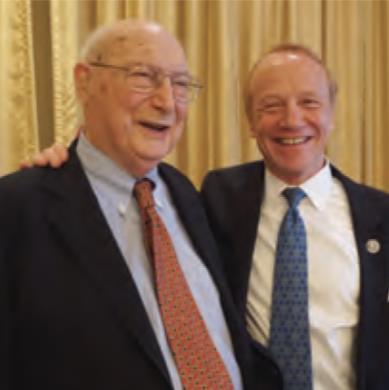
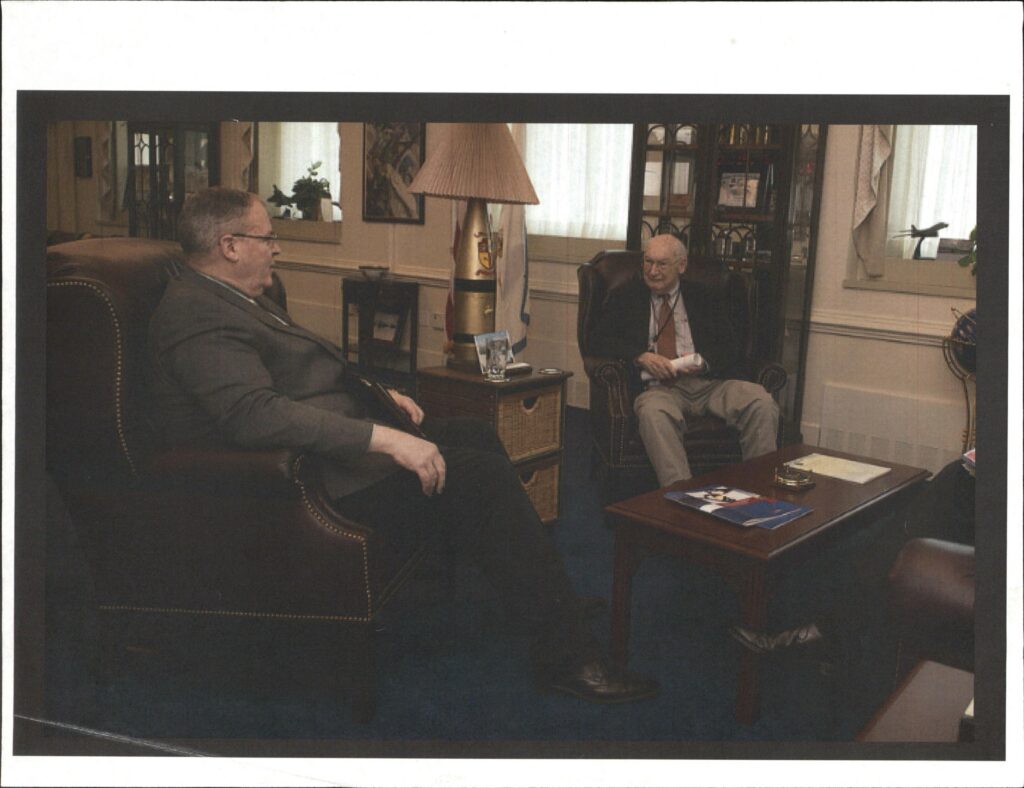
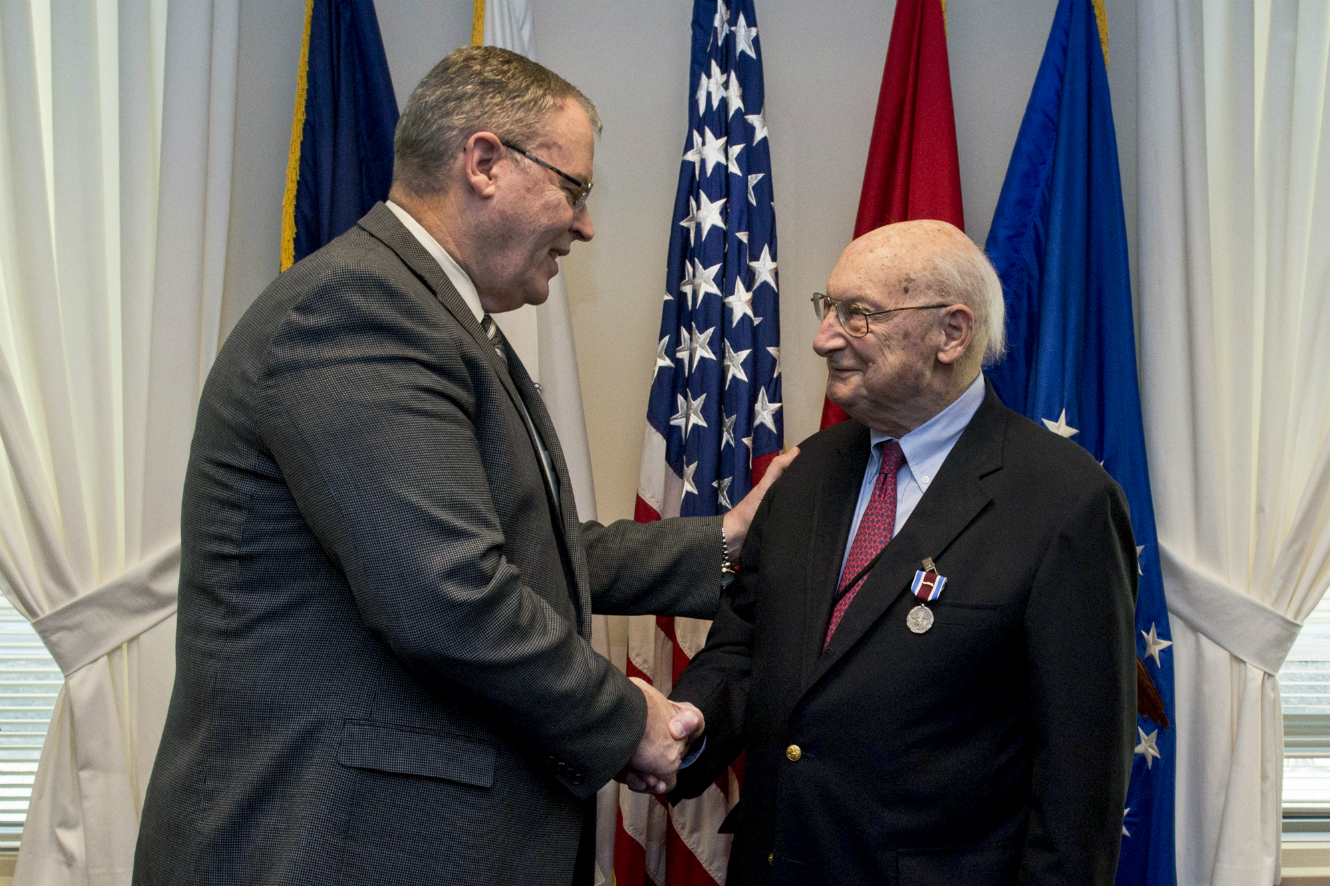
While constructing the documentary body of Mr. Marshall’s intellectual legacy, we recognized that the people who worked with and around him were instrumental in helping to shape ideas and reframe perennial problems. As the archive constructs the documentary body of Mr. Marshall’s intellectual legacy, oral histories construct its human topology, the web of meanings, relationships, and reflections that can’t be easily inferred from written materials.
Working with an anthropologist, we crafted a semi-structured interview process that typically requires one recorded session of 90 minutes, capturing practical and tacit knowledge that might otherwise fade from collective memory. These oral histories place particular emphasis on understanding the person and how they experienced their work with Mr. Marshall. Each conversation prioritizes depth, reflection, and the relationships among people, treating memory and perception as insights rather than sources of error or bias. Together with the archive, these interviews form an enduring source for scholars, researchers, practitioners, and educators seeking to understand the evolution of strategic national security thinking guided by over seven decades of Andrew Marshall’s life.